
Expert Panel: Leading in and with Research



Summary
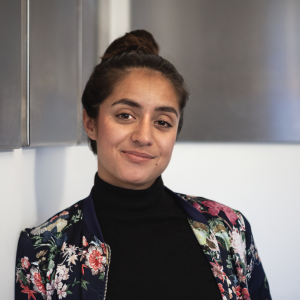
What does it take to become a great research leader? What are the different types of leaders in research? How do you grow a team from a solo researcher to a successful research team? Growing research teams show a company’s commitment to user-centered and insight-driven decision-making. With growing teams, research leadership becomes a central topic. With user research often having the most comprehensive picture of the user, we will explore what this means for the collaboration with or leadership of other disciplines in the organization. Today we have the chance to learn from three research leaders who share their personal perspectives on research leadership and various facets of it. Get to know our panelists: Anna Avrekh, UX Research Manager at Meta Dr. John Pagonis, Principal UX Researcher at Zanshin Labs Klara Pelcl, Senior Design Research Manager at ebay Join us live as we have plenty of room for your questions during the panel.
Key Insights
-
•
Great UX research leaders aspire to become obsolete by building strong, empowered teams.
-
•
Effective research leadership requires advocacy to move research from reactive ticket-taking to strategic influence.
-
•
Transitioning from hands-on researcher to manager involves a mindset shift from delivering insights personally to enabling others to do so.
-
•
Preparing research that can withstand organizational scrutiny is key to defending evidence without defensiveness.
-
•
Building stakeholder involvement early reduces resistance and fosters a shared quest for truth.
-
•
Research leadership is not one-size-fits-all; there are valid paths as senior individual contributor or manager.
-
•
Managing a team remotely and during crises requires extra emphasis on communication, trust, and vulnerability.
-
•
Communicating research value is a gradual process requiring one-on-one relationship building and demonstrating impact over time.
-
•
Measuring and closing the loop on research impact helps justify research investment and drives continuous improvement.
-
•
Balancing 'player-coach' roles is challenging; leaders must manage bandwidth, expectations, and onboarding carefully.
Notable Quotes
"One of the amazing things about becoming very successful leaders is eventually becoming obsolete."
"You have to prepare research to withstand scrutiny by anyone so your team can go forward confidently."
"Leadership is enabling people to become empowered to achieve what they are set to achieve."
"The transition from hands-on research to managing is a big mind shift where outcomes become more intangible."
"Don’t position yourself as the research expert; you are the expert in facilitating the quest for knowledge."
"By the time the report comes out, your immediate team should have already moved on with implementing feedback."
"Trust with your team needs to be established and continuously nurtured because tough situations arise quickly."
"Time is the only resource we cannot replenish. Make sure you don’t spend it doing what’s not meaningful."
"Being human, authentic, humble, and showing vulnerability can take you a long way as a research leader."
"There is no certainty ever in research; qualitative and quantitative approaches complement each other for different purposes."
Or choose a question:















More Videos

"Design thinking has to be embedded at scale to capture and align creativity across a massive company."
Surya VankaUnleashing Swarm Creativity to Solve Enterprise Challenges
June 10, 2021

"Small specific interventions travel further than big programs within organizations."
Patrick Boehler Madison KarasThe service shift: transforming media organizations to create real value through design
November 19, 2025

"Our user base is really fun and complex, with different preferences that require nuanced automation approaches."
Andreas Huebner Amy Takata Craig BrookesWhat Is It Like To Be Part of The UX Team at Compass?
March 11, 2021

"We need to position the design ops role as critical as an enabler of the design strategy."
Patrizia Bertini Alexandra Mengoni LeónPushing DesignOps’ Influence into New Global Markets
September 9, 2022

"Our design language gives broad ditches on either side of the road with some nuance, but no rigid libraries at first."
Phil GilbertA Consistent Culture of Design
May 14, 2015

"I wouldn’t leave AI tools to juniors because it’s crucial to have your own experience to evaluate outputs."
Yulya Besplemennova[Demo] Stress-testing GenAI in user research synthesis
June 4, 2024

"The best way to understand something is to become part of it."
Sarah RinkRemote User Research: Dos and Don'ts from the Virtual Field
June 11, 2020

"We used AI tools like NotebookLM and Gemini primarily to shortcut getting up to speed and managing transcripts, without focusing on specific tools themselves."
Mujtaba HameedThe new horizon of ethnography: using AI to unlock the full potential of in-person research
March 11, 2026

"Designers are in the system, not outside of it."
Sheryl CababaLiving in the Clouds: Adopting a Systems Thinking Mindset
June 6, 2023








