
The Bigger Picture: A Panel Discussion




Summary
The DesignOps Summit 2019 ambitiously tackles three huge, over-arching themes: Proving value and measuring outcomes Partnering outside design Change management These are indeed huge and over-arching. But, with the help of four crack DesignOps and ResearchOps leaders, the audience’s questions, and Lou Rosenfeld’s moderation, we’ll pull lit off—and we’ll even have some valuable take-aways by the end of the session.
Key Insights
-
•
Acting like a designer using familiar tools and processes is key for design ops professionals to gain trust within design teams, as Rachel Posman explains with journey mapping at Uber Eats.
-
•
Crystal Leon highlights the importance of creating shared language tied to company values, such as expanding 'data-driven' to include qualitative insights, to demonstrate design value across organizations.
-
•
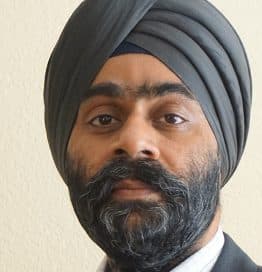
Gneets Singh advises defining value specifically by understanding the audience and prioritizing influence and adoption metrics over hard-dollar impact, acknowledging design’s indirect contribution.
-
•
Jose Coronado shares the need to balance quantitative and qualitative metrics, adapting vocabulary (e.g., using 'satisfaction' in place of 'delight') to align with partner sensitivities in conservative environments.
-
•
Measuring impact is a journey requiring persistent, multi-channel communication and contextualization across distributed, global teams, with repetition key to embedding understanding.
-
•
Partnership success emerges from starting small, picking one advocate inside another team to build relationships and replicate collaborative wins, as suggested by Gneets and Rachel.
-
•
Breaking design research workshops into smaller, repeated activities helps non-designers incrementally engage, build empathy, and appreciate design processes, according to Crystal.
-
•
Role proliferation in design teams (product designers, service designers, content strategists) can cause confusion outside the team; clear communication of value per partner perspective is critical, as Jose notes.
-
•
Teams that collaboratively co-create design principles with leadership see greater adoption and normalization of design thinking language across the organization, as Jose illustrates.
-
•
Empowering and leveraging 'loud, trusted' influencers on teams can dramatically accelerate change management and process adoption, as Rachel observes from her experience.
Notable Quotes
"One of the easiest ways to gain trust is really to talk and think and act like a designer or a researcher if I’m joining a research team."
"We are still designers, we’re systems designers, we’re organizational designers, even if we’re not making things."
"I talk about being data driven and expanding the definition of data to include both quantitative data and qualitative data."
"Nobody’s going to ask to show you the $10,000 impact from a single design, but you can show the needle movement was there."
"People in our environment had an allergic reaction to happiness or delight, so we used sentiment or satisfaction instead."
"Put feelings into the data by talking to sales and after sales, understanding customer experience before and after product launches."
"Start small to make a big impact by building one advocate relationship and then replicating the success."
"Breaking up design research training into short exercises over time helps get people out of the building and engaged."
"We set up a design-led workshop with all leaders to craft what design-driven meant for our organization, leading to it becoming everyday language."
"Find the loudest respected person on the team and get their buy-in; they can fast track weeks of work in getting everyone else on board."
Or choose a question:















More Videos

"We wanted them to see the government not as an old machine, but as people who see themselves as users."
Sofía Delsordo Kassim VeraPublic Policy for Jalisco's Designers to Make Design Matter
December 8, 2021
"Design needs to balance business strategy and technology limitations but always keep users centered."
Product and Design at Bloomberg: A 15-year Evolution
December 6, 2022

"Unmoderated research is exciting because it lets us gather insights while freeing people up to be in two places at once."
Liza Pemstein Jane DavisScaling Research Via an Ops First Model at Clever
March 27, 2023

"It’s important to reflect on our work and careers to shape what comes next."
Kara KaneTheme One Intro
November 16, 2022

"Nobody’s gonna listen to you people until you start speaking in the language of business."
Mark Interrante Harry MaxAI for Prioritization (3rd of 3 seminars)
July 11, 2024

"Avoid strictly timed interactions because they stress everyone, especially people using screen readers or with cognitive disabilities."
Sam ProulxOnline Shopping: Designing an Accessible Experience
October 3, 2023

"Roadmap amnesia is real — every new thing wipes out weeks of priorities from stakeholders’ minds."
Rich MironovHow Can Product Managers and UXers Help Each Other (and Why are Product Folks so Annoying Sometimes)?
December 6, 2022

"You have to find your needle focus and go after it."
Juhan SoninDesign Now! The Agenda for Action
September 4, 2025

"In that moment, I looked down at my chest and failed to find a breast pocket of my own."
Mansi GuptaDrawing from Feminist Practice to Make Inclusive Design Operational
September 9, 2022








