
Opening Remarks
Summary
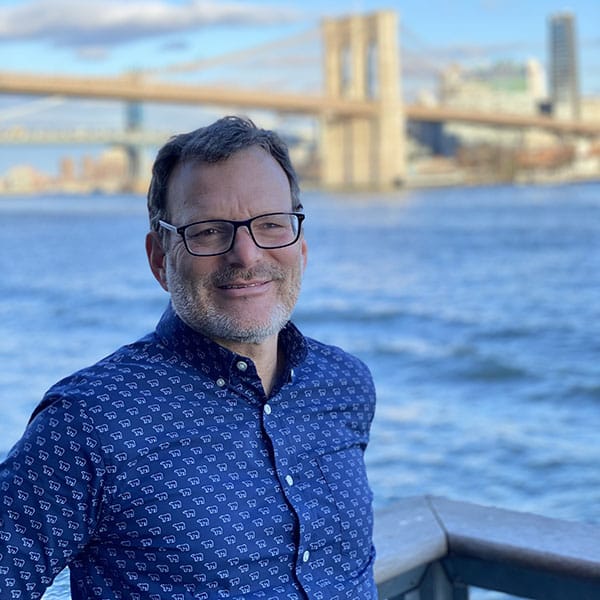
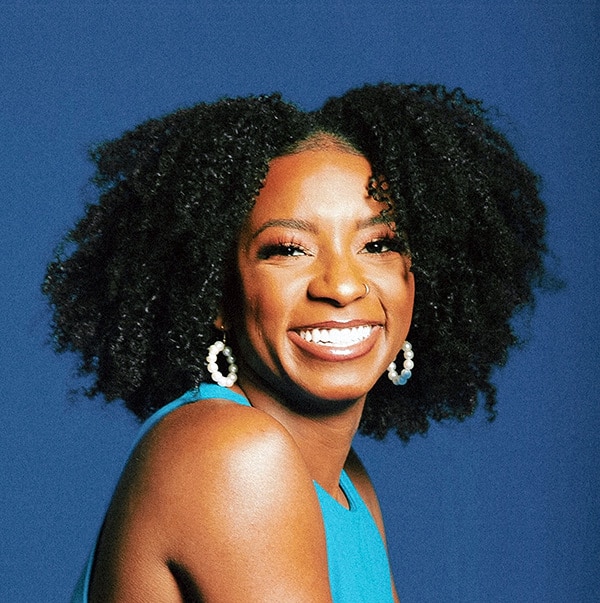
Lou Rose from Rosenfeld Media opens the second Civic Design Conference by framing it as an ongoing community conversation rather than a typical conference. She highlights the diverse, international nature of Civic Design practitioners, spanning government levels and community organizations. Lou encourages attendees to actively engage and participate through Slack channels and cohorts rather than passively consume content. Bria Alexander, Adobe’s senior design program manager and conference emcee, shares the agenda focused on themes like the decade cycle, shifting power structures in design, and physical environment interactions beyond screens. She also explains conference logistics such as timezone settings, sponsor sessions which are free and non-sales promotional, and break schedules. Accessibility and engagement are supported via Slack for direct interaction with speakers, peers, and customer support. MJ Broadband, a seasoned user experience consultant, contributes sketch notes for every session to enrich participant understanding and retention. The conference code of conduct ensures a respectful, safe virtual environment for all attendees. Together, Lou and Bria set an inviting, well-organized tone to maximize learning and community connection.
Key Insights
-
•
Civic design is an emerging international community spanning federal to tribal local governments and community organizations.
-
•
The conference encourages active participation over passive consumption, fostering ongoing engagement via Slack beyond the event days.
-
•
Sponsor sessions are free, non-sales focused, and scheduled not to overlap with the main program, broadening accessible content.
-
•
There is a deliberate focus on inclusivity with cohorts and Slack channels to help attendees find appropriate community groups.
-
•
Session resources including notes, sketches, videos, and decks are made available promptly, reducing the need for attendees to take notes.
-
•
MJ Broadband’s live sketch notes combine user experience expertise with graphic facilitation, enhancing content clarity and engagement.
-
•
Multiple Slack channels are dedicated to different purposes: general discussion, customer support, sponsor engagement, and cohort interaction.
-
•
Conference planners intentionally included ample breaks between sessions to avoid participant fatigue and encourage reflection.
-
•
The conference uses a carefully structured open hashtag strategy (#CD2022) for social media, creating broader visibility and interaction.
-
•
A strong code of conduct and proactive support mechanisms are emphasized to maintain a respectful and safe virtual community environment.
Notable Quotes
"I didn’t say conference because this is really a highly polished snapshot of a conversation this community is having."
"Go out the next three days as being part of this conversation rather than simply sitting back and being a consumer of information."
"Civic design is relatively new and spans all kinds of government agencies from federal and national down to tribal and local."
"Sponsor sessions are free, not sales pitches, and do not overlap with the main program so anyone can attend."
"You will come away from this conference with so many artifacts from these talks you won’t miss anything."
"Join our Slack channels—it’s really where the party is with gifts, jokes, and amazing conversations."
"MJ Broadband’s sketch notes will make your conference experience 10 times easier."
"There’s no need to take notes because session notes, videos, and decks will be shared promptly on the conference site."
"We are still a community even though we are virtual and are obliged to treat each other with kindness and respect."
"If you ever feel unsafe in our virtual community, we want to know about it so we can provide support."
Or choose a question:
















More Videos

"We wanted them to see the government not as an old machine, but as people who see themselves as users."
Sofía Delsordo Kassim VeraPublic Policy for Jalisco's Designers to Make Design Matter
December 8, 2021
"Healthy debate is key, and we should be biased toward a successful outcome, not our own ideas."
Product and Design at Bloomberg: A 15-year Evolution
December 6, 2022

"People were doing incentives in different ways, using their own cards, which was confusing, so I centralized it."
Liza Pemstein Jane DavisScaling Research Via an Ops First Model at Clever
March 27, 2023

"Design ideas come back around again and again, waiting for leadership or new contexts to take root."
Kara KaneTheme One Intro
November 16, 2022

"Nobody’s gonna listen to you people until you start speaking in the language of business."
Mark Interrante Harry MaxAI for Prioritization (3rd of 3 seminars)
July 11, 2024

"Multiple payment providers aren’t just a feature; they’re an accessibility lifeline for people who can’t read or reach their credit card easily."
Sam ProulxOnline Shopping: Designing an Accessible Experience
October 3, 2023

"Product managers learn to attach at the end of every sentence something about money — no money, no attention."
Rich MironovHow Can Product Managers and UXers Help Each Other (and Why are Product Folks so Annoying Sometimes)?
December 6, 2022

"You have to find your needle focus and go after it."
Juhan SoninDesign Now! The Agenda for Action
September 4, 2025

"Many ride sharing apps didn’t launch SOS features until after widespread reports of harassment, even though the problem was longstanding."
Mansi GuptaDrawing from Feminist Practice to Make Inclusive Design Operational
September 9, 2022
Latest Books All books









Dig deeper with the Rosenbot
How have changes in communication technologies historically affected collective knowledge building, and what might AI's role be?
What are examples of play used for executive-level prioritization and trade-offs?
What are the financial barriers preventing birth centers from operating sustainably in rural areas?