
Log in or create a free Rosenverse account to watch this video.
Log in Create free account100s of community videos are available to free members. Conference talks are generally available to Gold members.
Leading through the long tail of trauma


Summary
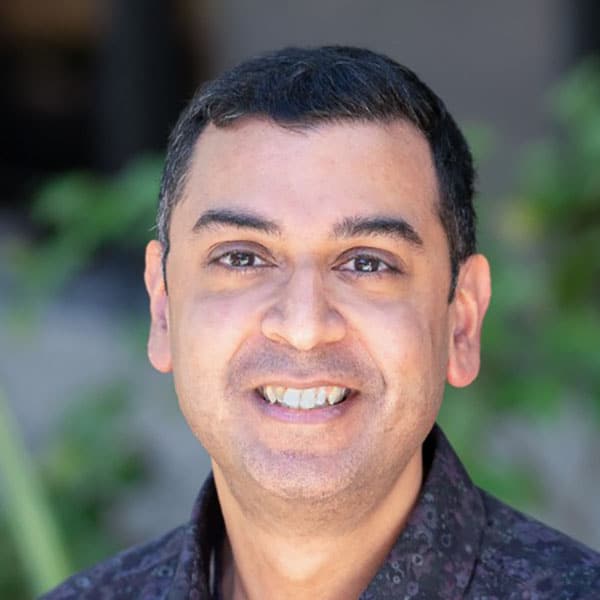
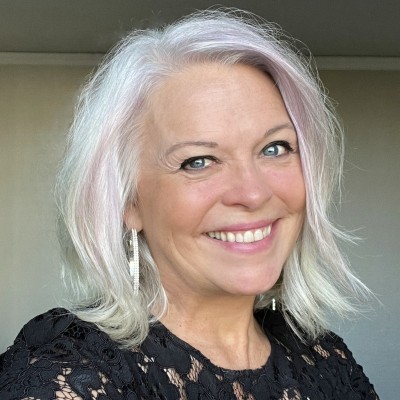
The fatigue and trauma from events of the past few years has affected many of us – not just personally, but also professionally, and at the organizational level as well. For the most part, the corporate world has recognized the impact these past years have had on employees and teams. However, many organizations have only recently become aware of the longer-term effects and are struggling to support their people as they work through the long tail of trauma In this special community call, produced in partnership by Rosenfeld Media’s Advancing Research and Enterprise Experience curation teams, Uday Gajendar facilitated a discussion about the long tail of trauma, with Rachael Dietkus, LCSW, Dawn E. Shedrick, LCSW, and Dr. Dawn Emerick.
Key Insights
-
•
Including people with lived trauma experience in research planning improves sensitivity and anticipation of trauma responses.
-
•
Asynchronous and nonverbal methods can reduce retraumatization compared to live interviews.
-
•
Building trust with community partners and service providers is essential when working with marginalized groups.
-
•
Trauma is deeply cultural, and assumptions about body language or participant behavior can lead to misinterpretation.
-
•
Frequent breaks and informal interruptions (like walking or sharing stories) help manage participant comfort.
-
•
Researchers must recognize their own risk of vicarious trauma and build self-care rituals including debriefing and therapy.
-
•
Having two interviewers on trauma-related studies helps manage unexpected trauma responses in participants and the researchers.
-
•
Organizational trauma-informed change must start with HR policies and leadership modeling vulnerability and flexibility.
-
•
Trauma-informed work must resist commodification that simply repackages old methods under new labels.
-
•
Trauma-informed care is a continual process of becoming, requiring humility, cultural responsiveness, and ethical responsibility.
Notable Quotes
"Trauma is not the external event, but how that event embeds in an individual's body."
"You can’t heal your way out of death or oppression by reforming oppressive systems; you must dismantle them."
"If you work with humans, you work with trauma; it’s inherent in human experience."
"People from different cultures have different ways of experiencing and showing trauma; body language is not universal."
"I’ve never gone into an Indigenous community alone; relationships and partnerships are vital."
"Consent is ongoing; check in repeatedly during interviews about participants’ comfort and willingness."
"Breaks equalize stress and can prevent trauma responses from spilling over."
"Self-care after trauma work includes debriefing, therapy, time off, and reconnecting with loved ones."
"Leadership modeling ‘being human’ with stress and mental health normalizes trauma-informed culture."
"Being trauma informed is not a destination but a journey of continuous learning and unlearning."
Or choose a question:














More Videos

"There’s a fine line between a service mindset and saviorism — am I helping communities or using them to feel superior?"
Frances Yllana Ann Buechner Jess Jones Betsy RamacciaD.E.A.R.R. Diaries (Discipline, Experience, Architecture, Reflection + Revolution)
November 16, 2022

"I simply cannot wait for you all to see the outstanding presentations they prepared."
Bria AlexanderTheme Two Intro
September 8, 2022

"Only 12% of AI researchers globally are women, and 6% of professional software developers are women of color."
Dr. Jamika D. BurgeBroad Strokes: Connecting Design, Research, and AI to the World Around Us
June 7, 2023

"Our brains are wired for efficiency and use heuristics, so they prefer daydreaming over hard conversations."
Joshua GravesWe Need To Talk: Navigating Conversations with Your Boss (Part 1 of 3)
April 14, 2025

"Customer journeys used to be specialist knowledge, but now they’re a normalized, even commodified, organizational artifact."
Lavrans Løvlie Ben ReasonAsk me anything – Authors of Service Design: From Insight to Implementation
November 19, 2025

"I want researchers in the room in positions of power and influence to help executives see the broader social implications of technology."
Rebecca BuckMission: Keep Talent in Research Roles!
March 10, 2021

"It’s not enough to just write down principles—they must be operationalized and made actionable for different teams."
Sarah WilliamsVerizon_A Framework for CX Transformation
January 8, 2024
"Please keep your questions within the speaker’s thread so we don’t lose track of them in the busy chat."
Bria AlexanderOpening Remarks
September 9, 2022

"Starting with positives and acknowledging good work helps break down resistance when sharing findings that reveal weak points."
Joanna Vodopivec Prabhas PokharelOne Research Team for All - Influence Without Authority
March 9, 2022








